

The Southern Nevada chapter of NAIOP kicked off its monthly breakfast program Jan. 15 focusing on the economy and how Las Vegas may be playing catch up to the national economy during 2026.
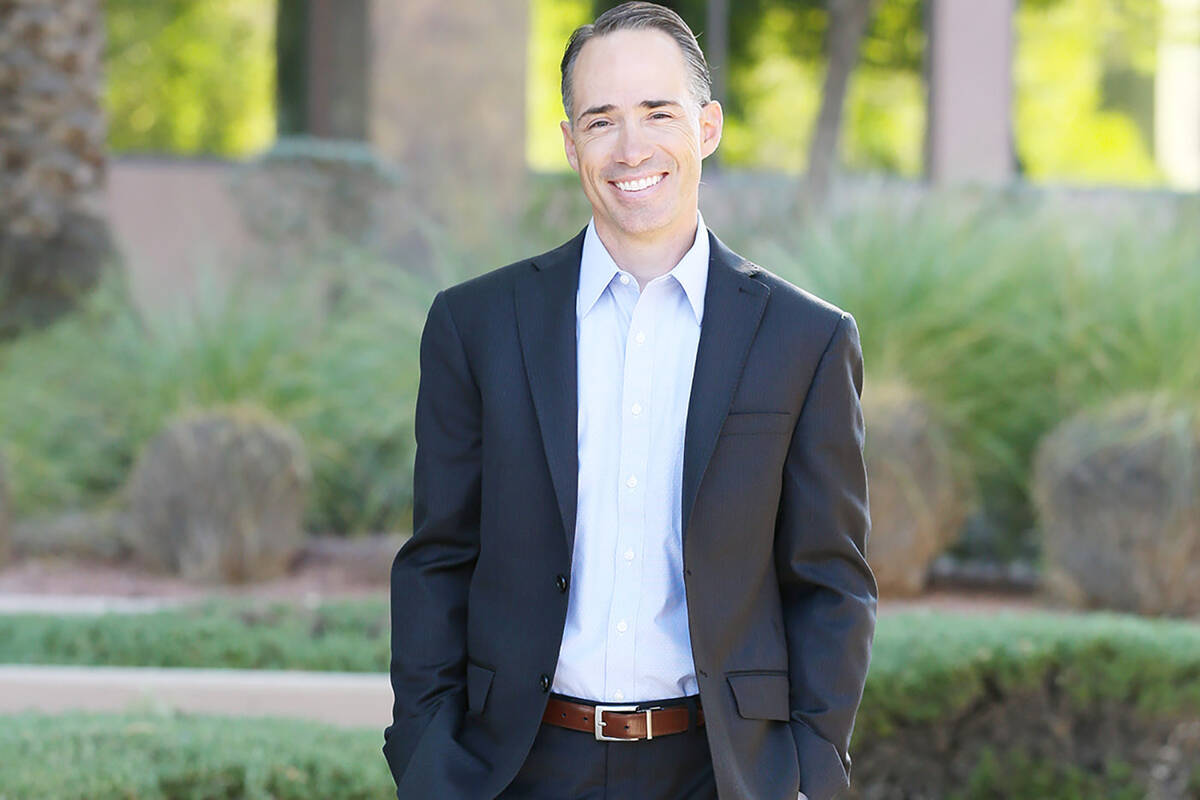
Peter Kroner, director of national market intelligence for Avision & Young, and John Restrepo, principal of RCG Economics headlined the program moderated by Kyle Nagy, founder and director of CommCap Advisors.
In describing 2026, Restrepo called it a transitional year while Kroner said he’s bullish and said it’s about alignment.
Kroner said the state of the U.S. economy is a lot better than what the data is showing and what people are seeing in headlines. Real wage growth has been positive, and laggard indicators aren’t a reflection of what’s happening.
“There’s been a lot of uncertainty and head fakes over the last three years; but between different rulings by the Supreme Court that have come or are coming, regardless of the outcome, we’re going to have certainty for the next three years,” Kroner said. “That’s a lot of positives.”
What they’re seeing in commercial real estate is record spending by consumers and tariffs that economists were worried would increase prices, but that hasn’t materialized and inflation has been down to four-year lows, Kroner said.
“There’s a lot of uncertainty but a lot of positives that we can focus on that will drive more growth in 2026,” Kroner said.
Restrepo said he agrees with Kroner about the national economic outlook but that it’s different at the local level given the nature of the Las Vegas economy. It’s based on discretionary spending; so as consumers are feeling uncertain they will pull back.
Given the national discussion about Las Vegas resorts price gouging tourists, Restrepo talked about how there’s been an adjustment downward that helps.
“We’re coming back, but here in Nevada we’re lagging behind (nationally) in terms of spending power for residents, in terms of incomes, so we have a disconnect between the wealth of the average consumer in Southern Nevada and cost of living here,” Restrepo said. “We have a high cost of living only because of the housing prices. It’s stabilizing, but still not where we want it to be. At least it’s going in the right direction.”
Restrepo said they won’t learn about the full impact of the tariffs imposed by the Trump Administration until this year because businesses across the country have been absorbing those costs in their profit margin. That’s likely ending and will be passed down to consumers.
“I think 2026 is going to be an interesting transition year for where we are heading,” Restrepo said. “In that case, it’s good. We’re not going down, but we’re not ramping up as quickly as the national folks.”
Restrepo said President Trump’s One Big Beautiful Bill signed into law last summer won’t have a big impact on Las Vegas because it doesn’t have a large manufacturing base. The bigger question is what happens after the midterm elections in November and paves the way for the 2028 presidential election.
“The big focus is on the midterms,” Kroner said. “The Trump Administration in their first three months took on bold bets on the impact of negotiating trade and tariffs and sweeping policy that takes years to see the ramifications in the economy, and luckily most of the tariff cost increases have been absorbed by companies.”
He added, if the tariff costs gets to the consumer then there will be a lot of pressure on Republicans and on Trump to not pursue his agenda for two more years.
Kroner said two positives that will provide more certainty is whether the legal ramifications about the trade negotiations and tariffs will be decided by the Supreme Court. The ramifications are huge because the deficit is at its lowest level since the pandemic, and that money will have to be repaid in the form of refunds if the justices rule against the Trump Administration, he said.
“That’s more uncertainty for decision makers both from an industrial side and office users and consumers,” Kroner said.
The second piece of the equation is the replacement of Federal Reserve Chair Jerome Powell, and that person will be more hawkish on cutting interest rates with a target of 3 percent by the end of the year, Kroner said. The Supreme Court will also decide on the legality of a president firing a member of the Federal Reserve board, and that will have implications on the ability to stack the board, he added.
“Some would argue that makes it more politically motivated,” Kroner said. “Regardless, I think we will have a pro low-interest regime that comes into the Federal Reserve, and that will bring more liquidity into the market. Because of the midterms, Trump has identified a 10 percent cap on credit cards that drives up liquidity. There are a lot of things that will bring more liquidity into the system and result in more consumer spending because you have to put things in houses if you purchase a house.”