

Building through the current economic cycle was the focus of NAIOP Southern Nevada’s monthly breakfast meeting.
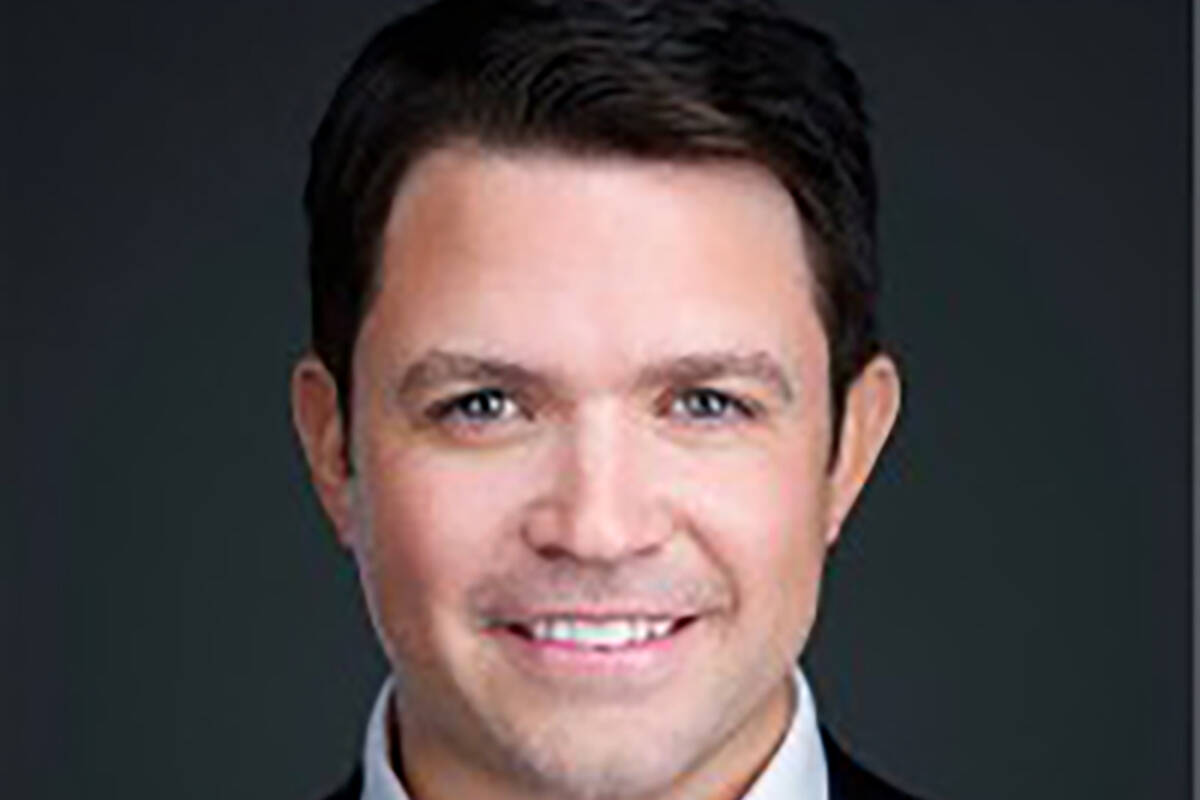
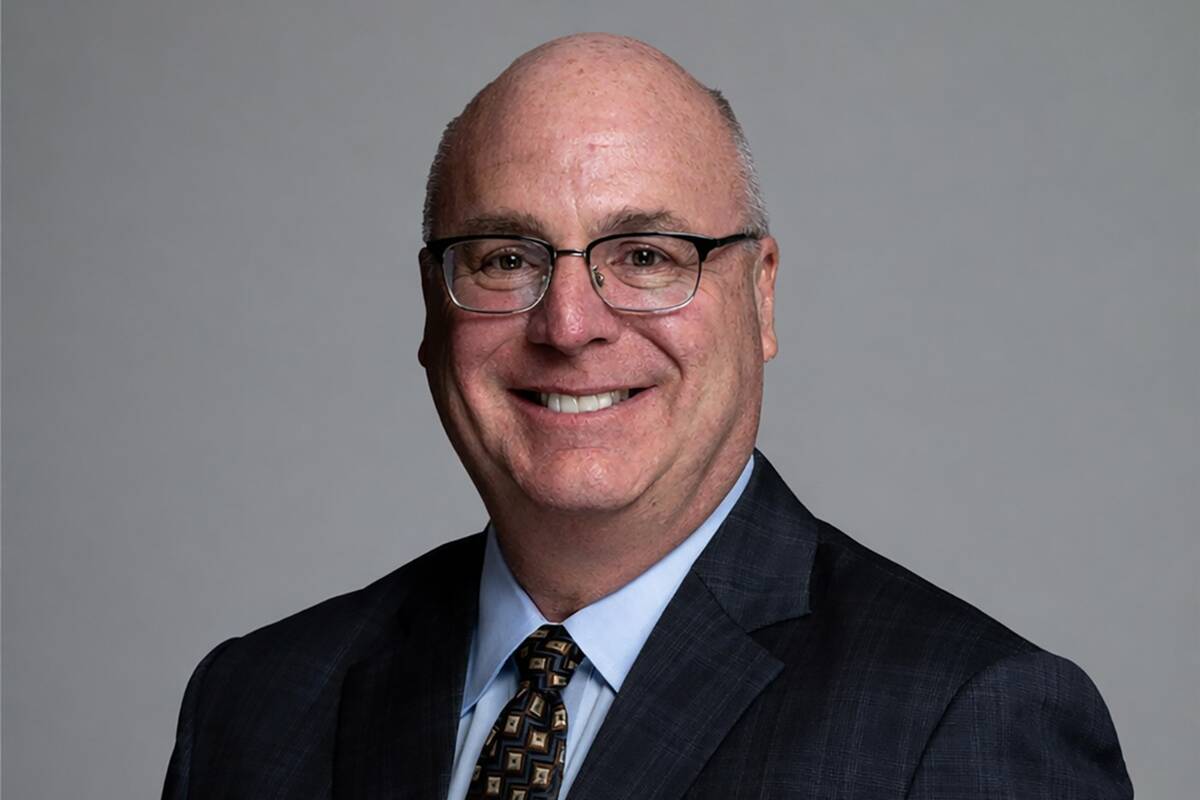
The development organization held a roundtable at The Orleans featuring Andrew Dunn, a principal at VAC Development; Alex Hancock, senior vice president, national sales and leasing for Howard Hughes Holdings; and Rod Martin, president of Majestic Realty Co. Suzette LaGrange, a principal and managing director at Avison Young moderated the panel.
Dunn said VAC has finished a neighborhood strip center off Rainbow Boulevard and Oquendo Road, and are focusing on repositioning such centers and neighborhood centers.
Hancock at Howard Hughes focuses on office leasing with 1 million square feet it owns in Summerlin spanning five assets.
Majestic has 8 million square feet of industrial buildings in Las Vegas, along with some offices and two retail centers, Martin said. Most of their focus is on the southwest valley where there is 42 million of industrial space.
“With the land constraints it’s difficult to find large parcels to build,” Martin said. “Five acre parcels are of decent size but troubling dimensionally to lay out industrial buildings. There’s a lot of land at Apex (in North Las Vegas), and it’s going to fill up quickly because it’s the only place there is available land. Apex has its time coming and general conditions in Las Vegas are starting to improve and as we are churning through whatever happens any time a real estate cycle has low interest rates and low vacancy everybody builds. We just need to chew through that inventory, and we’ll be OK.”
Hancock said the office market is strong despite what some headlines may say nationally. When drilling down on the numbers such as the cap rates and rent growth, it’s “actually performing quite well.”
Class A office in Las Vegas has a 10 percent vacancy rate and in other parts of the country it’s 20 percent, Hancock said.
“Year-over-year rent growth in the Las Vegas market is over 4 percent and when you compare this to Los Angeles it’s negative 50 basis points,” Hancock. “Rent growth is strong and vacancy is low. The market is strong and will continue to perform well; and the Class B stuff has the same vacancy as Class A, which is good. It had a slightly higher rent growth. We’re optimistic if we can just get away with some of these interest rate challenges we have.”
Dunn said the current state of the retail market is bifurcating into the K-shaped economy. They are seeing it catering to the affluent where the top 10 percent of earnings make up 50 percent of consumption at this time.
“You’re seeing the middle get middled out more or less,” Dunn said. “Capital is attracted to grocery-anchored centers and affluent demographics above $100,000 household incomes or they are dedicated to the discount TJ Maxx type of centers that cater to consumers trading down. So you are either going up or down, and it’s very hard to accommodate that as a developer in this current market.”
Dunn said they don’t sit on a treasure-trove of cash and go out and raise funds from friends and family, find an institutional partner, or bring in a family office and go to the bank and get a loan.
“In the current land side of the development side of retail, it’s very challenging,” Dunn said. “We’re definitely seeing build-to-suits and ground leases take a halt. We feel like we hit that occupancy cost threshold on a lot of the real estate and you’re seeing freestanding retail have less than a 1 percent vacancy factor in the market. You are seeing retail rents hit all-time highs. I just saw The District sign a $65-square-foot lease. I see Uncommons signing leases in the $60-foot range. We have been signing leases in the plus-$50-foot range. That wasn’t a thing five years ago. When we built our recent strip center we had a pro forma of rent for $39 to $40 a foot and ended up getting an average rent of $50. For us, it’s about finding that land seller who is willing to give you that accommodation to get your entitlements and if you are really lucky get your permits so you can go get that cash.”
Dunn said the entitlement and permitting period has doubled, and there’s a disconnect between the public and private sector on timing expectations. He added they are seeing occupancy costs managed by tenants and deeper focus on ethnic-targeted demographics, such in Chinatown where there are three new centers in development. They are also seeing Mexican grocers thrive, as Las Vegas has about one-third of its population Hispanic, he noted.
“You have to lean into that, the affluent or the lower demographic but picking the middle you are going to get in a tight spot,” Dunn said.
Dunn also highlighted how dentists and other medical practitioners are taking more retail space instead of going to medical office centers.
Martin said they have lost some industrial tenants because the “weak have fallen by the wayside.” He said it’s an economy where companies have to perform well and operate efficiently. Majestic has lost four tenants over the last 16 months, but previously hadn’t lost one for four years.
“When I look at the four we lost, two of them had shut their doors in Las Vegas and the other two retracted their size by about 50 percent,” Martin said. “It’s one of those things that is going to happen. It is not a market where everybody is going to thrive. One of the things I pay close attention to in our portfolio is delinquencies, and we’re not seeing any. I haven’t seen that since people elected not to pay their rent for four months in 2020. Delinquencies are down, and that’s a health predictor of how businesses are doing.”
Martin said companies instead of taking space in anticipation of growth are being patient and waiting until they need to grow. These companies will do stopgap measures with shorter leases and short-term measures.
“The market is turning,” Martin said. “When I was asked to be on this panel, I would say my outlook was a little apprehensive and not all that confident yet, but I feel a lot better today,” Martin said.
LaGrange said January was an amazing month and that was unexpected. It opens the door for the rest of the year where activity is coming back.
“I’m happy I’m in Las Vegas,” Martin said. “Alex hit the nail on the head talking about rent growth. We’ve seen an average of 5 percent rent growth in 32 years, and you are not going to see that in any other market. That’s why I retain a bullish attitude. I recognize we will have some downturns, but we’re in it for the long haul.”
Hancock agreed that the market conditions have changed over the last 45 days with a lot of lease signings in January. He said Las Vegas is fortunate there hasn’t been the same tenant concession offers as in other markets.
“It has remained tempered despite construction pricing going up for tenants,” Hancock said. “What we have seen is that there has to be more prudence and strip some of the layers back of pricing to understand what is driving the pricing up. Once we do that, there can be a better fiduciary responsibility, and there is the ability to build out space at modest levels. What we experienced post-COVID was crazy with supply chain issues. It’s still high and I would like to see it come down. We would like to accommodate tenants to new shell space without having to commit to 10-year terms and $100 in tenant improvement packages.”
Hancock said data center growth is crazy and affecting everything along the supply chain from materials and labor. The data centers will pay anything for labor and contractors are repositioning their labor to that higher-margin work.
Martin said data centers want to get up as quickly as possible because they recognize if they don’t there will be a long way until new power generation sources.